Crowdfunding sessions at a major European crowdsourcing conference

Spread throughout the four full days of speaker sessions and panel discussions at the Crowdsourcing Week Europe 2016 conference in Brussels November 21-25 there were a number of sessions dedicated to crowdfunding. As an independent crowdfunding adviser they were naturally of great interest to me, and here is a summary of them I’d like to share.

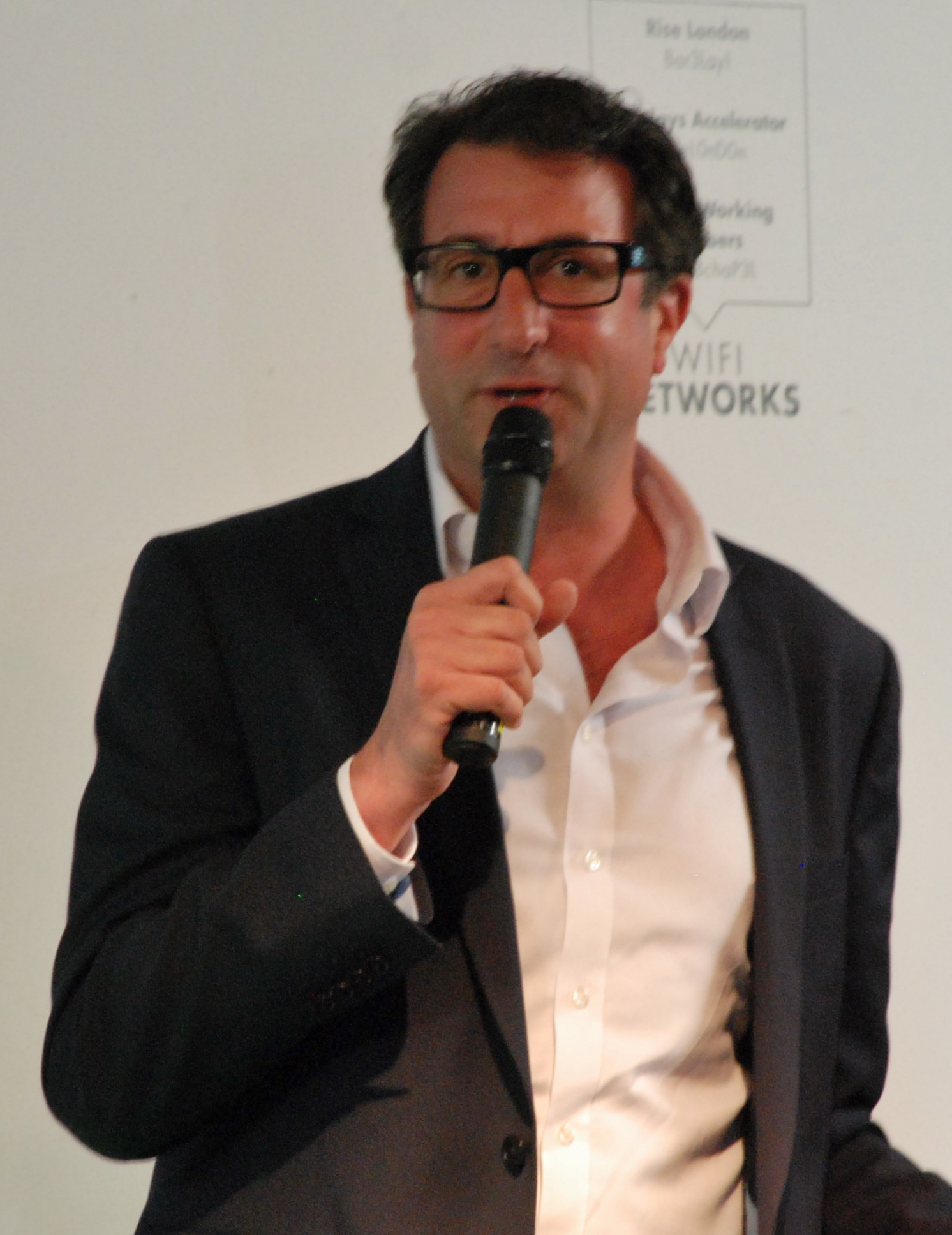
fredic-barkenhammarFredrik Barkenhammar of House of One told us on the first day of conference about his crowdfunding project to raise money for something truly unique – building a mosque, a church and a synagogue under one roof in central Berlin. This will be a multi-denominational house of prayer and interdisciplinary learning, bringing together people of different faiths to share experiences and get to know each other through dialogue. Even people with no religious focus are welcome.

He is running open-ended crowdfunding asking for a €10 contribution for each brick – and the project will cost €43.5m. That’s a lot of bricks! His project is a stand alone, it isn’t hosted on a crowdfunding platform, there is no cut-off date, and the project keeps all donations. In these respects I guess it’s more like JustGiving than what we usually categorise as crowdfunding, though in simple terms he is asking the crowd to fund the project.
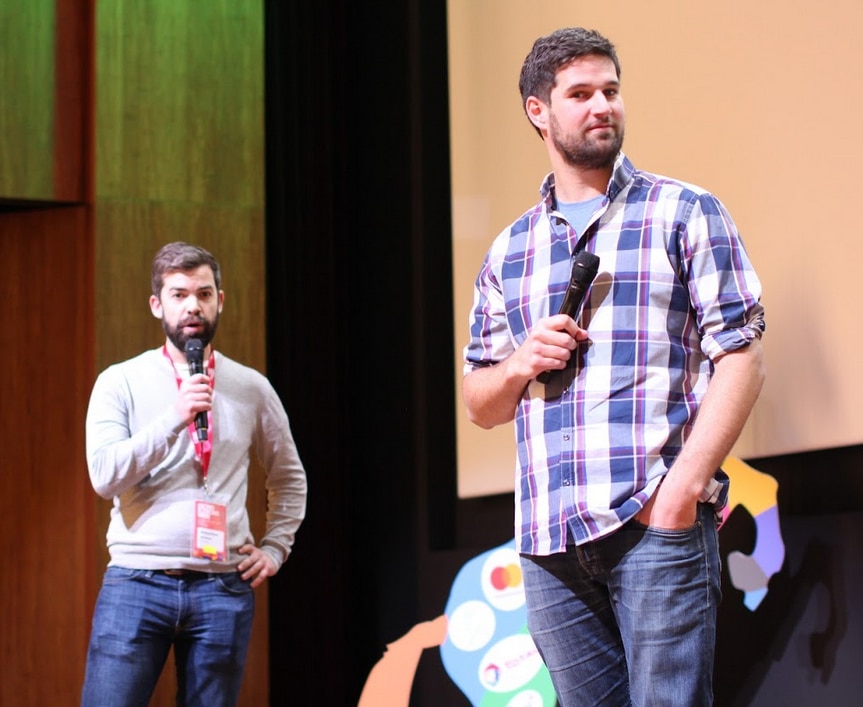
brussels-beer-projectSebastian Morvan and Olivier de Brauwere started the Brussels Beer Project (a brewery) in 2012 to shake-up Belgium’s conservative brewing sector. Through a number of rounds of donations-for-rewards crowdfunding via the Beer For Life platform they have received support from almost 2,000 crowdfunders.  The formula is simple: each crowdfunder receives 12 beers, every year for the rest of their life, in exchange for €160. Watch the video here. Thanks to that support, they were able to start their venture in 2013, fund their brewery in 2015, and after the last round ended on 31 January 2016 they were able to recruit more talent and invest in more equipment.

Their website says: “Not only the financial support but also the positive energy we received from this beautiful community has been overwhelming and will bring us even further. We don’t have the means of Big Industrials – so the enthusiasm and word of mouth permitted us to take on this adventure and look into the future.”

They continue to involve their crowdfunders with pop-up beers, one every two weeks, at their open evenings (Thursday to Saturday) at the brewery. Based on this crowdsourced feedback they decide which ones to go ahead with on a commercial basis. One that got the thumbs up from the crowd was a beer made with soda bread. This had the added benefit of recirculating 10 tonnes of unsold soda bread that would have otherwise been thrown away.  They are also asking their crowd to propose beers for them to brew. They have so far received 150 suggestions and the winner will be able to go to the brewery and be involved in making it.

The first day also included a panel discussion titled “Are VCs Getting Disrupted by Crowdfunding?” It wasn’t much of a contentious debate, as Bill Morrow, CEO of angel-led investment platform Angels Den made the points that there is no reason to compare venture capitalists and crowdfunding since they operate within distinctly different funding levels. Most businesses using crowdfunding are looking for far less than VCs would consider as a minimum investment.
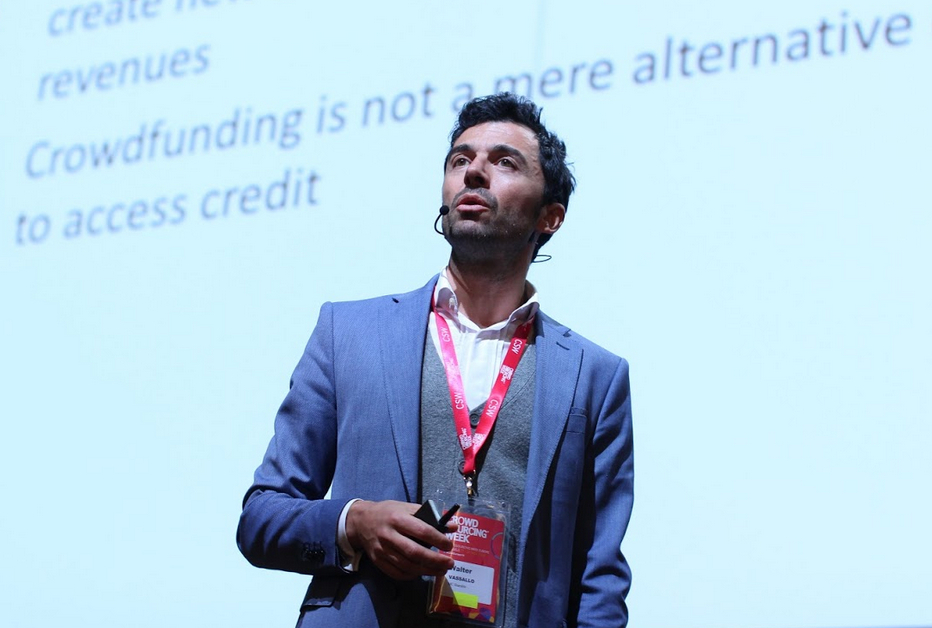
Walter VassalloOn the second day of the conference the economist and entrepreneur Walter Vassallo, co-founder of internet company MC Shareable in Monaco, gave a talk under the heading Crowdfunding for Sustainable Entrepreneurship and Innovation. One of his key points was that crowdfunding is so much more than simply getting funded. An effective crowdfunding project also increases awareness among wider stakeholders: project proponents; project investors; policymakers, regulators and the related research community.

A new book he has edited pulls together contributions from different authors to try and identify key factors that influence crowdfunding success, and create a validation tool that can assess the viability of crowdfunding projects before they run. The average success rate on Kickstarter is 37%, he said, so there is clearly room for improvement. Copies can be ordered here. A full copy will set you back $205, though individual chapters are available at $37.50.
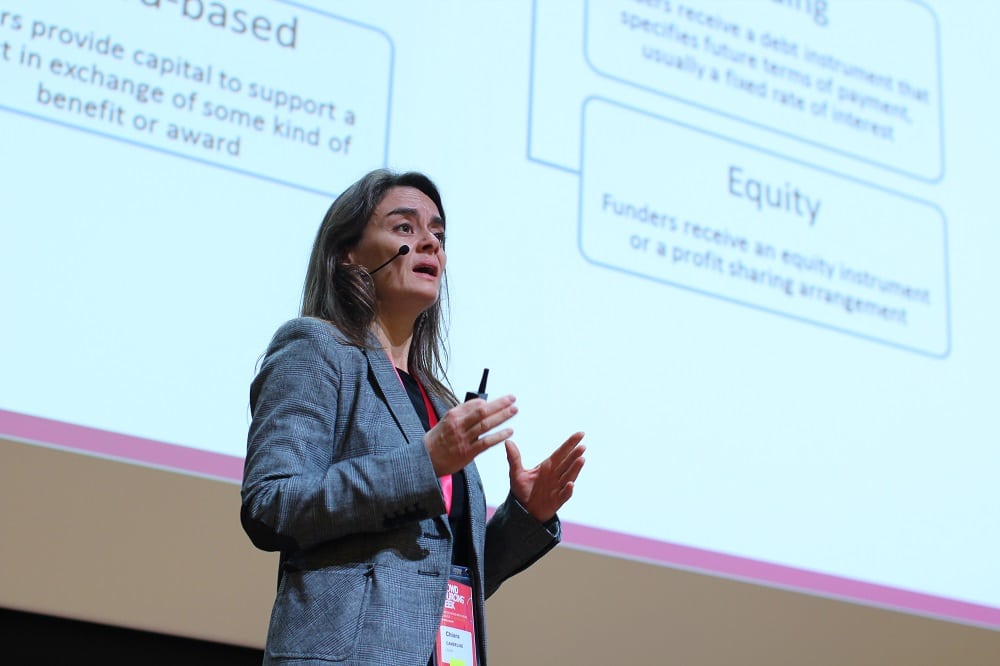
img_4239The third day of the conference focussed on energy and sustainability issues. The energy market shift to decentralisation and renewable sources dramatically lowers the industry entry cost for new producers. However, investment to fund new energy initiatives and bring them to fruition can often be an issue, and Dr Chiara Candelise of Ecomill – an equity crowdfunding platform in Italy – told us about Smart Financing and Empowerment: Crowdfunding in Energy. Her global study of energy crowdfunding shows that 80% of the money raised has come from loans and equity. For homeowners unable to switch to a renewable or a more sustainable energy supply, crowdfunding renewable energy projects is a further way the crowd can stimulate this market and show their support for alternatives to the established major energy producers.

cedric-donckEntrepreneurs always face funding issues. Cedrick Donck, business angel and co-founder of the Virtuology Academy told the conference on the final day that angel investment and crowdsourcing are increasingly popular routes. Bringing an angel investor onboard has benefits of access to their experience and contacts as well as their money. Crowdfunding could be used to raise further money on top of an angel investment, or maybe use crowdfunding on its own if for some reason you don’t require an experienced mentor.

He echoed previous speaker comments when he said positive by-products of crowdfunding include: increased visibility as effective crowdfunding is also very good marketing; you gain access to the personal networks of all the investors; and it raises your credibility to be able to say you raised money from the crowd. Downsides are that you may have been able to raise more money than the business is really worth as early investors may lack experience. This could present problems if further fundraising is needed later and the value is scaled down. And finally, you may lose some competitive advantage because you will have had to put your business strategy in to the public domain.

Picture-of-CliveIf you are considering crowdfunding, whether on an equity or a donations basis, please get in touch for an objective conversation with me, an independent crowdfunding adviser. My background is marketing rather than financial, and I can help with essentials such as building a big enough crowd of the right sort of people to drive to your crowdfunding project. Or maybe you know someone I could assist who is considering raising money to launch a startup, expand their business, or support a favourite worthy cause. I’m at [email protected] and my tweets are at @Cliveref. Thank you.

“Best Funding Solutions For SMEs” – a conference in London in May 2016

Best Funding Solutions for SMEs

This event in east London’s Mile End Road explored a comprehensive range of funding options available to SMEs, including equity and debt crowdfunding. I attended in my capacity as an independent crowdfunding adviser. Here is my summary of key points from the day in four sections:

A)  An approximate, overall market background of funds secured by UK SMEs in 2015

B)  The range of funding opportunities available to SMEs

C)  Concerns for SMEs to be aware of when raising funds to grow

D)  Insights on successful equity crowdfunding

A) Overall market background

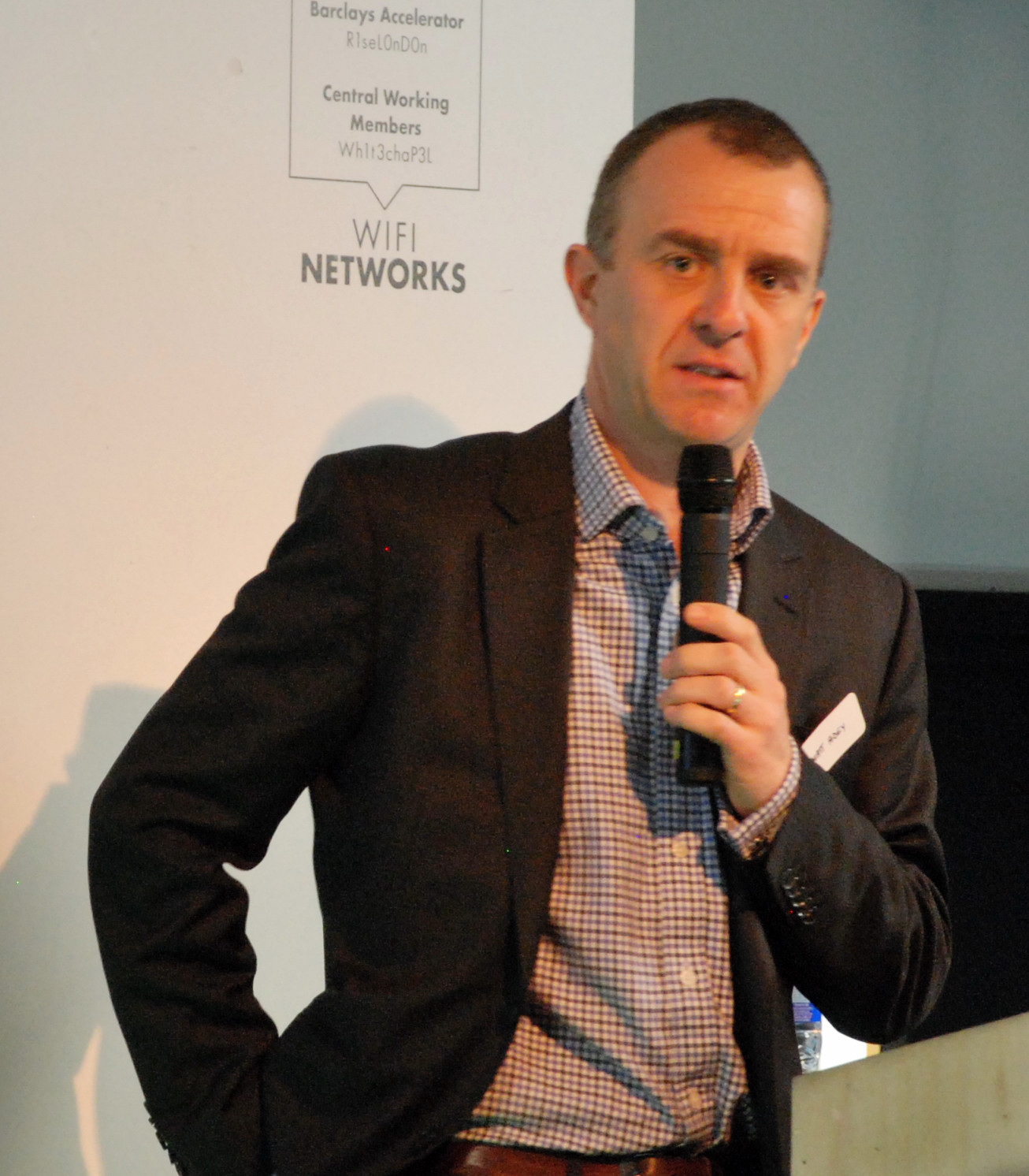
Best Funding Solutions for SMEsMatt Adey of the British Business Bank presented an overview of the funding landscape, the trends and latest figures available on financing SMEs in the UK.

Many small and medium size business owners, particularly in early days, prefer to bootstrap their way through rather than commit themselves to any obligations to third party finance providers. The extent of using someone else’s money may be restricted to existing bank account overdraft facilities or credit cards – which are already in place and immediately usable click resources.

61% of SME owners that do go further use just one source of external finance and in most cases that is their bank. Bank lending to SMEs is recovering, said Matt Adey, despite the continuing groundswell of media comment to the contrary. What clouds the picture is that high street banks are cutting overdraft facilities, according to Bank of England figures, whilst at the same time making more funding available through loans.

Awareness of other sources of finance is growing, as shown by research conducted for British Business Bank. Almost half of UK SME owners were aware of crowdfunding as a source of finance when the research was carried out in October 2015.

B) The range of funding opportunities available

    1. Asset-based lending
      This is effectively peer-to-peer pawnbroking, securing short-term loans against assets provided as security, as explained by Richard Luxmore of Funding Secure. No business plan or cashflow projections required, just an asset the lender will keep if you don’t make the repayments.
    2. Stock market flotation
      Companies in the EU can be as large as up to 250 employees and a turnover of €50m and still be an SME. Nick Parker, FD of newly floated Yu Energy took delegates through his recent personal experience. Yu Energy floated on AIM in March 2016 based on a turnover of £3.9m the previous year.
    3. Bank loan
      The biggest source of SME funding and on the rise, explained by Ian Warren, Senior Lending Manager at NatWest Bank. Total bank lending is increasing, though to some people it doesn’t seem so because overdrafts for SMEs are being cut.
    4. Peer-to-peer lending
      Best Funding Solutions for SMEsThis sector was represented by Jasper Ehrhardt, MD of Funding Knight, and Maria Samayoa, Production Manager at rebuildingsociety.com. SMEs generally have to show a minimum two year trading history.
    5. Equity crowdfunding
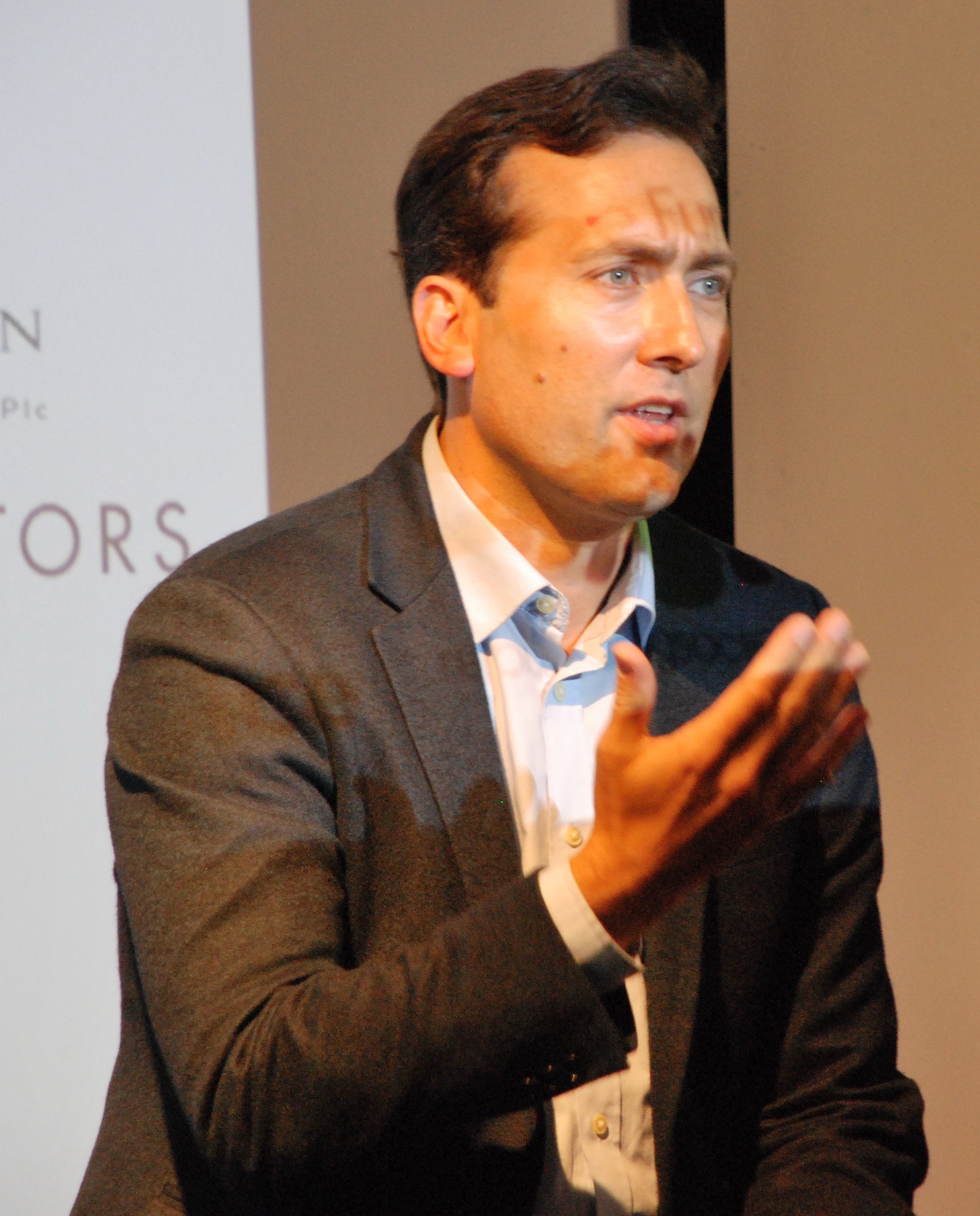
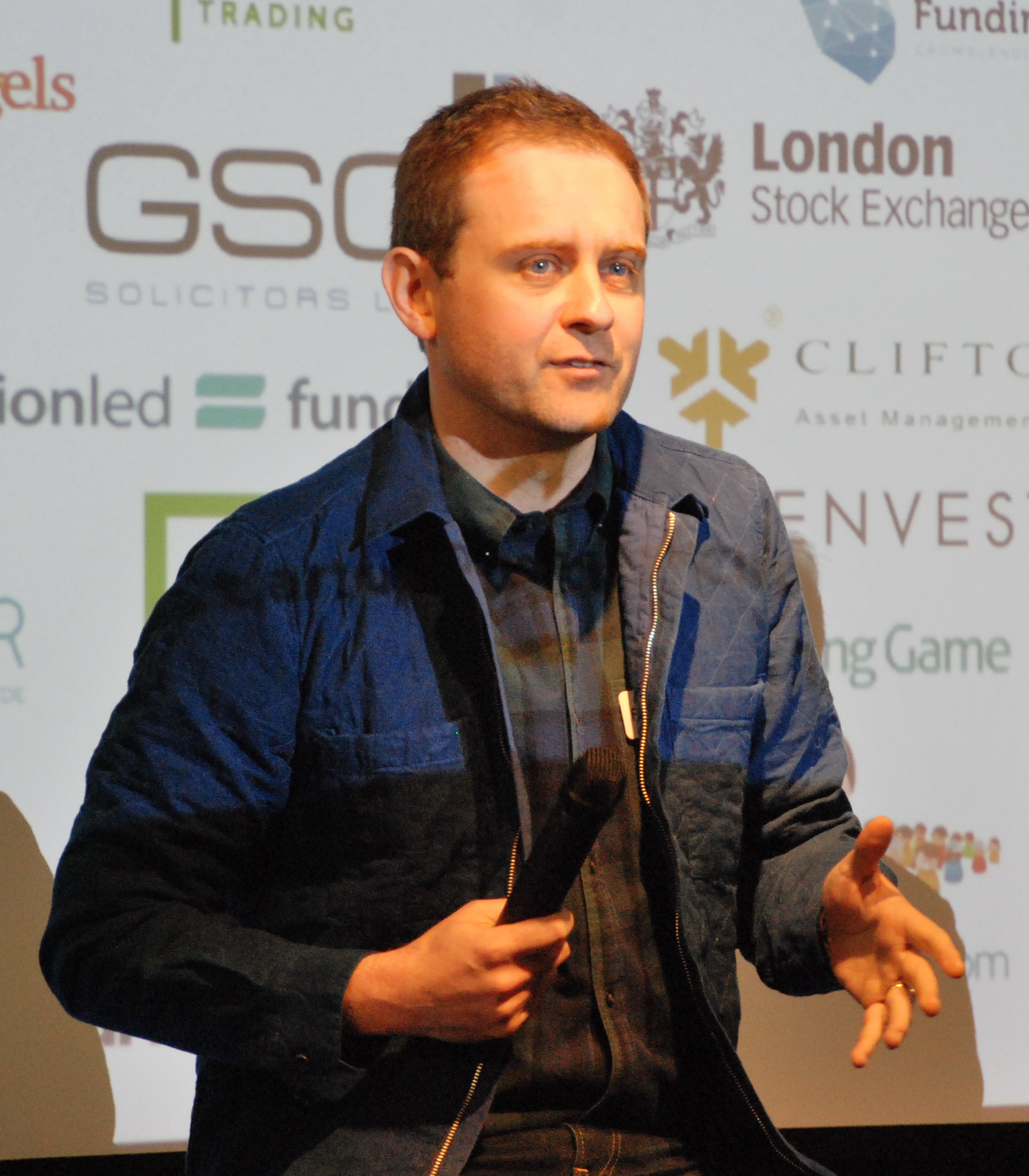
      Best Funding Solutions for SMEsThis sector was represented by two platforms: Frank Webster, Campaigns Director at Seedrs and James Sore (pictured), Chief Investment Office at SyndicateRoom. They both stressed that crowdfunding is no easier way of raising money than any other method. The sector has brought opportunities back to the general public to make direct investments in businesses. It is highly regulated, though investors still have to take responsibility for their decisions and conduct due diligence.
    6. European Union
      Chris Farmakis, EC Funding Manager at GLE Group, explained that through the Enterprise Europe Network they can provide EU funding for “highly innovative SMEs with a clear commercial ambition and a potential for high growth and internationalisation.
    7. Pension-led funding
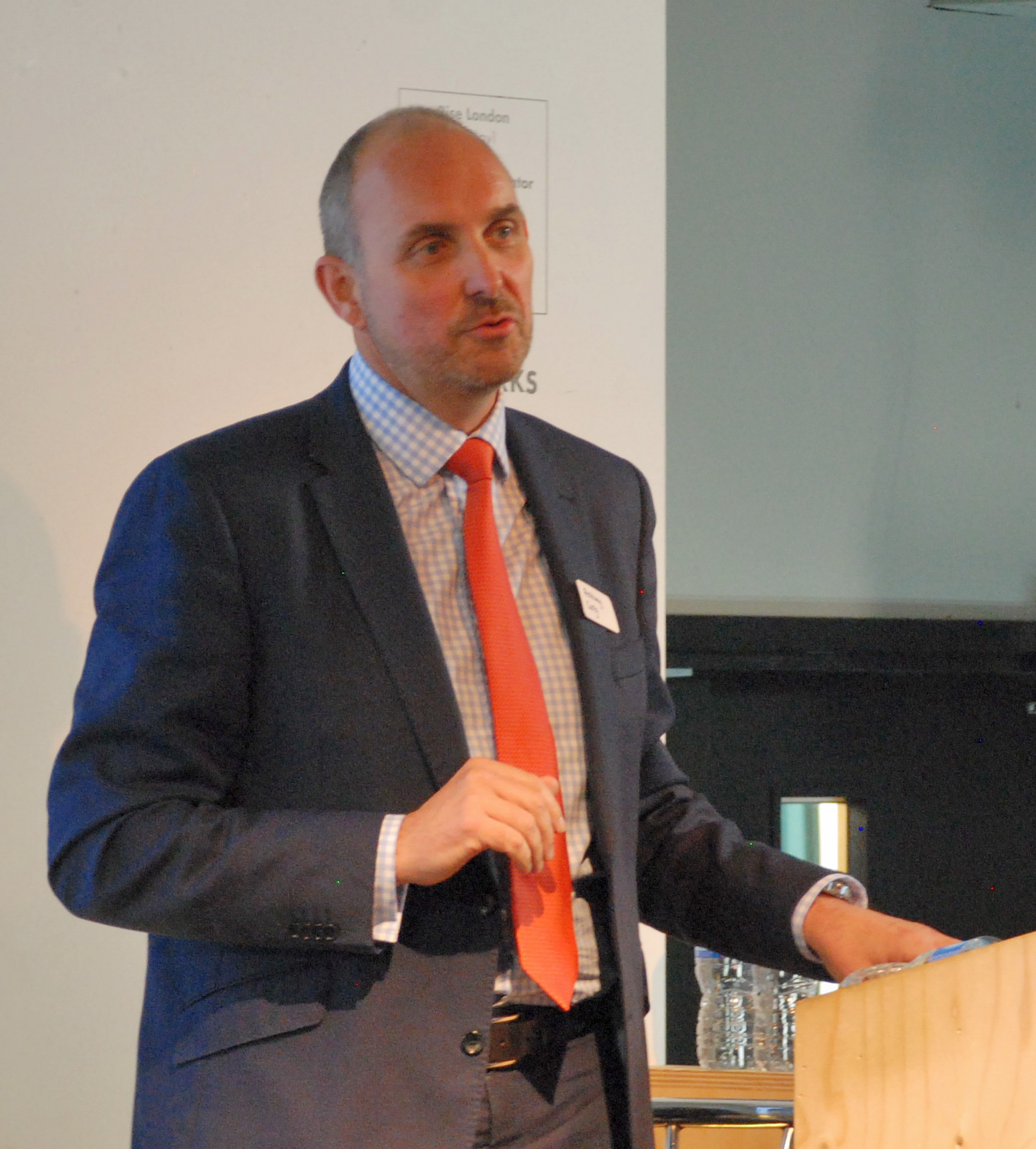
      Best Funding Solutions for SMEsAnthony Carty of Clifton Asset Management pointed out that corporate pension funds are mainly invested in equities, in companies. So why not invest your own pension in your own company? They verify that it makes sense, to the extent that just 1-in-5 applications are authorised. This process can take three months. If you make it, you can get the government benefits from putting money in your pension, and then put it to work for your business. “It’s like having your cake and eating it,” said Anthony.
    8. Invoice discounting
      Explained by Helen Mackenzie of Platform Black. You can get a high proportion of an invoice’s value very quickly rather than wait for however long it’s going to take to get paid the normal way. Obviously a business has to be trading to have some invoices, so it doesn’t help startups. Platform Black particularly want to work with businesses over two years old with a minimum £500,000 turnover.

C) Concerns to be aware of when seeking funds to grow

  1. Your personal and business credit rating.
    Martin Mitchell and Jamie Allan of Experian highlighted the importance of making your credit score attractive to investors. This included checking for unknown County Court Judgements against an individual or their business. Simple things like paying bills on time improves a credit score. Click here for further information on access to monthly or annual reports.
  2. Intellectual property protection and ownership.
    Best Funding Solutions for SMEsSeeking investment involves telling your secrets, advised Clive Halperin of GSC Solicitors. Make sure what you tell people can’t be copied or stolen. There are trademarks, copyrights, patents and design rights. Make sure you understand the differences and use the most relevant one(s). Also, investors will not be keen if the business does not own its own IP. So don’t try to be clever and own it separately somewhere else.
  3. Shareholders agreements.
    This was also covered by Clive Halperin of GSC Solicitors. Shareholder agreements have to look to the future, not just reflect the present. Give yourself room to manoeuvre if a business partner stops pulling their weight. Allow for death, incapacity and for simply wanting to do something else instead. Consider all circumstances of share transfers, issuing new shares, restrictive covenants, deadlock resolution procedures, and more.
    Best Funding Solutions for SMEsAnd as Bill Morrow, CEO of Angels Den later added: “If you sign anything [i.e. a shareholders’ agreement] and you don’t know what the likes of ‘tag and drag clauses’ are then you will not survive.” Don’t totally rely on advisers, make sure you actually understand it all.
  4. Secure EIS and SEIS tax advantages for investors.
    Founder and CEO of P2P lender Startup Funding Club, Stephen Page, explained the value of these tax break schemes for investors. Business seeking investment should be ready in advance, particularly if the end of the tax year is looming.

D) Insights on successful equity crowdfunding

  1. It requires and dedication time to identify, locate and get in front of enough potential investors to find the one(s) who will back your business.
    Best Funding Solutions for SMEs
    Frank Webster, Campaigns Director at Seedrs (pictured) said: “To raise money, get out there and talk about it [your business]. To potential investors there is nothing special about your business. They’ve heard it all before. So share it.” Or as Paul Grant of The Funding Game put it: “You’ve got to kiss a lot of frogs to find a prince.” He reckoned that on average it takes 50 approaches to find an investor.
  2. Share your idea, don’t hold back, and don’t expect people to sign an NDA before you tell them about your business idea.
    To reinforce what Frank Webster of Seedrs said, Stephen Page, founder and CEO of Startup Funding Club said: “I’m not going to sign over a thousand NDAs a year. I know what we talk about is confidential. Investors aren’t going to steal ideas, it’s not what they do.”
  3. When you do find a potential investor who shows interest, don’t rush things.
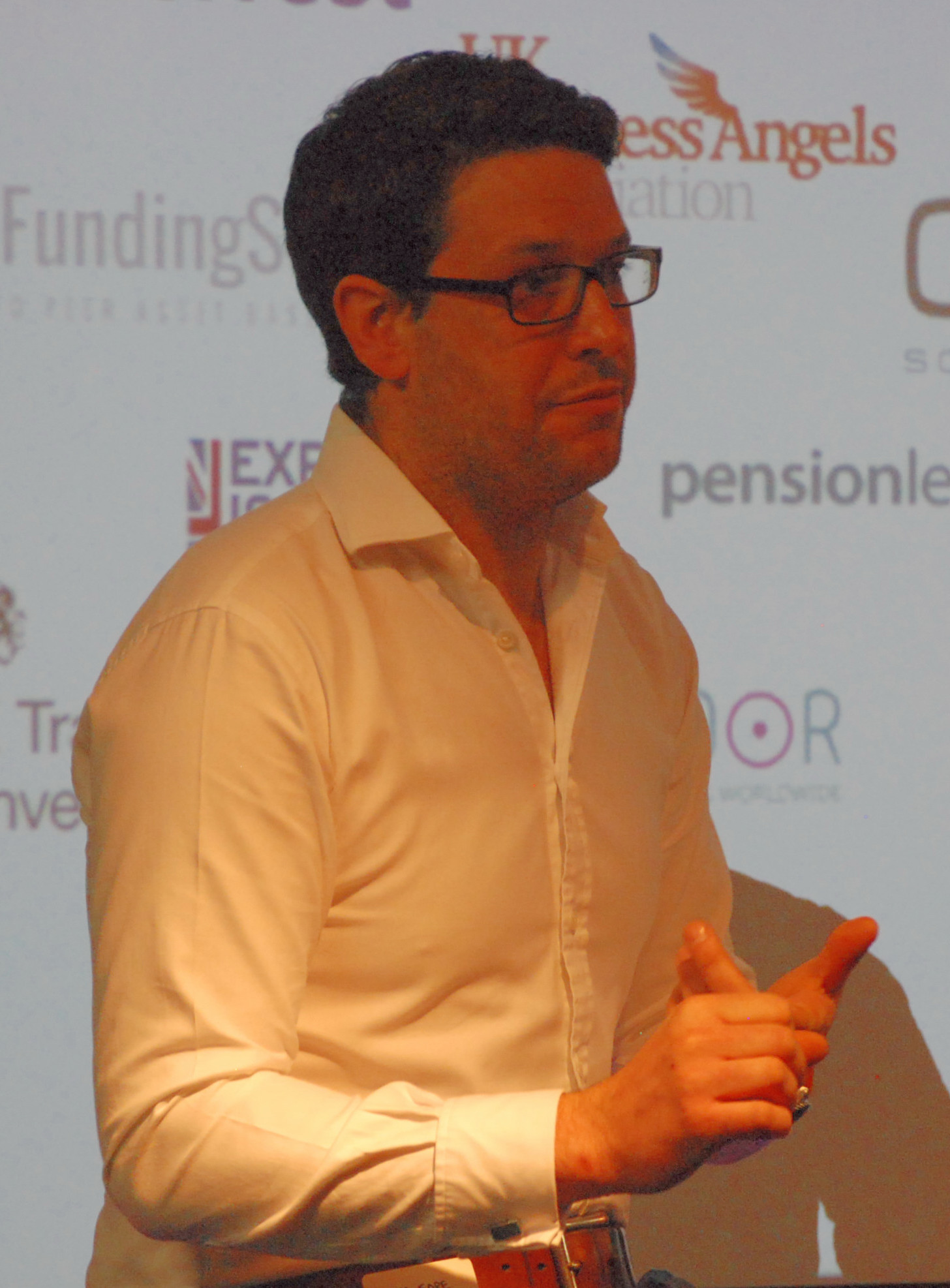
    Best Funding Solutions for SMEsDon’t immediately give a potential backer too much information. No one is going to stop what he or she is doing to read your 25-page business plan e-mail attachment on the strength of a brief conversation you had the previous day. “Investors have to be wooed,” claimed Roderick Beer of the UK Business Angels Association. “Don’t ask to marry them on the first date,” advised Paul Grant (in picture). Personally, I’d say don’t make yourself sound desperate as it can put people off.
  4. You need a team
    Investors will be wary of a one-man band, no matter how much of a genius you think you are. All the people from Seedrs, SyndicateRoom, Angels Den, Funding Knight, Invesdor and Startup Funding Club supported this point.
  5. Don’t rely on your Business Plan
    Best Funding Solutions for SMEs
    Investors will want to know you have prepared one, but as to how accurate a plan for a startup can ever be is acknowledged as a mystery. What’s more important, said Stephen Page of Startup Funding Club (pictured), is knowing what your cash flow is going to be like, and how long it will be before you need to raise more funds. And as the person who has had the great idea for your business, if you can’t write your own business plan you will be dead in the water, said Bill Morrow of Angels Den.
  6. A mentor can be more important than money.
    Money can be raised later, because maybe what’s needed first is a mentor with experience and contacts in the business sector you want to operate in. Jonathan Pfahl, Founder of Rockstar Hub International said they can effect introductions, and Bill Morrow of Angels Den said they even train their investors on to how to be better mentors. That’s why, he claimed, 94% of the companies that have raised funds through Angels Den remain trading.

If you are considering a crowdfunding project, whether equity or donations-for-rewards, I am an independent crowdfunding adviser with a marketing rather than a financial background. Please contact me about anything to do with identifying and building your own crowd of backers, and underpinning your crowdfunding project with an effective marketing campaign to get noticed and deliver results.

Clive Reffell, Comanche Communications and Marketing

10 tips for anyone changing their career path

Last year’s Office of National Statistics figures revealed that just 53% of the UK’s working population are fulltime employees with a regular pay cheque. More and more of us are choosing, or being forced by circumstances, to adopt alternative ways of funding our existence by changing career. The outcome can range from worries over simply paying basic bills to affording an enviable, comfortable lifestyle.

I’ve learned that whether starting up in business as a small-scale entrepreneur of any age, or as a local provider of professional services, downscaling from a dazzling corporate career, or on the verge of what could be a great money-making venture, many of us all share the same feelings.

Much of my networking in the first few months of Comanche Communications & Marketing was at a local SME level. I met many people who are or have been in similar circumstances to myself, setting out in business as a sole trader and trying to carve out a modest niche among the opportunities available within the accessible business community.

Then I found myself networking among different company when I spent a day at the third annual Great British Workforce Revolution conference. These events are tailored around opportunities for former company directors who are changing career to ‘go it alone’. This can mean starting a new business, investing in other people’s new businesses, or taking interim roles to guide companies unable to afford their experience and knowledge on an fulltime basis.

A forum of former ‘captains of industry’ made some useful comments about the attitudinal re-think needed when making a career transition that are worth sharing with anyone who takes responsibility for their own destiny. Many people using crowdfunding hope it’s going to make a significant impact on their lives, but are they really ready for some of the consequences?

The key ten points the panel made were these.

  1. It’s scary to be in a new place. Doing new things, outside of a comfort zone that may have previously been full of support, is scary.
  2. Most of your previous contacts become useless after changing career because they were part of that former comfort zone, that former life.
  3. It’s difficult to achieve a target daily pay rate, so do what comes up that looks like it would be good to be involved with.
  4. Don’t forget that time is your most precious asset, particularly if starting a new enterprise later in life.
  5. Reconsider the people who you know. Build connections among a new group of people who are going to be able to help you.
  6. Think about how to help them, not only how they could help you.
  7. Remain curious and love learning, which is now easier than it ever was.
  8. Add practice to your knowledge, by simply getting out there to start providing others with the benefits of your knowledge and skills. Even do it free for a local charity rather than keep them to yourself. This will help teach you how to best present that knowledge in a way that builds confidence.
  9. Confidence is what your new customers or investors will recognise and buy in to.
  10. Work with people you like, who respect you and pay you on time. Life’s too short to do otherwise.

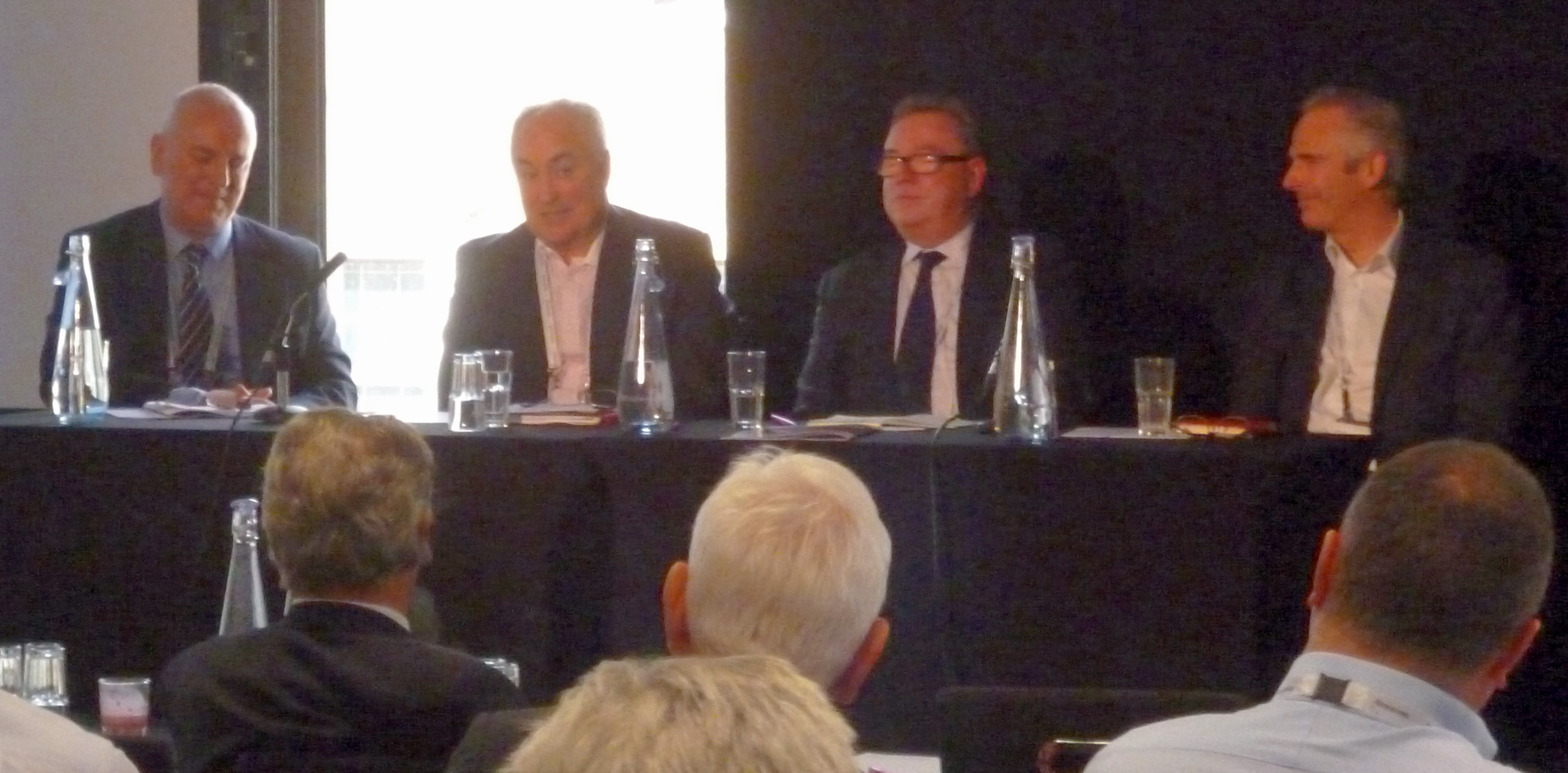
The Panel, left to right below: Steve Gilroy, Chief Exec at Vistage International (UK), the world’s leading Chief Executive organisation and main sponsors of the conference; Stuart Lucas, a former global finance high-flyer and Founder and Co-CEO of Asset Match which allows shareholders in unlisted companies to freely offer their shares for sale; Peter Collier, Executive Director and Founder of TCWM Ltd, held senior positions in the financial services sector until 2012 when after voluntary redundancy he started a business by taking small consultancy assignments; Robin Hill, Founder and CEO at Ruffena Capital Ltd, previously had senior positions in technology and media businesses. “It’s better to be more in control in a smaller company than lost in a big one,” he said.

P1020034

If you’d like to explore crowdfunding as a way to help you change your career path and want some objective advice and support then please get in touch. Drop a line to me at [email protected].