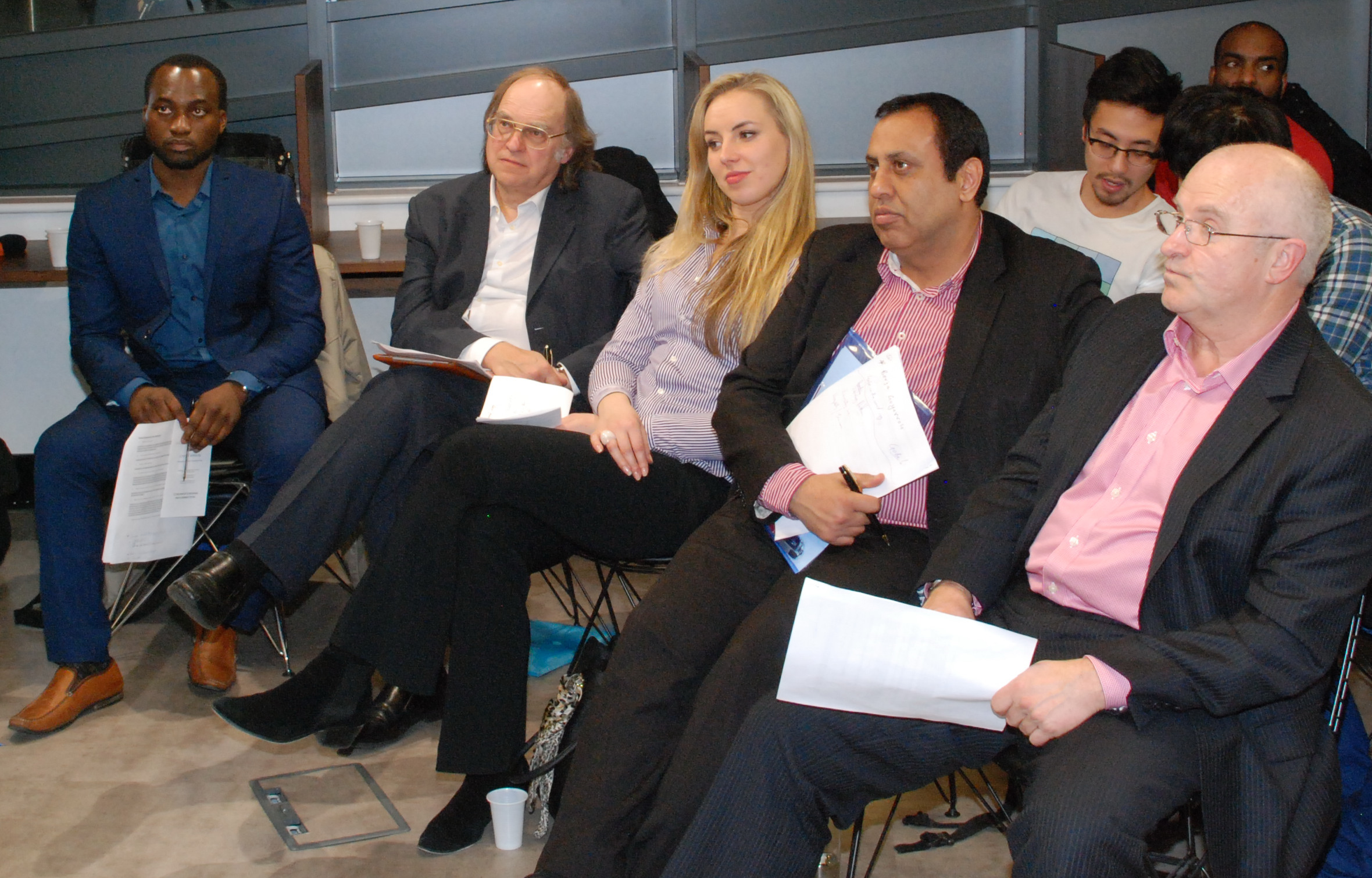
On April 12 the historic Regent Street Cinema in London witnessed the first full day of the 2016 Crowdsourcing Week Global Conference which focussed on crowdfunding. Here is a recap of the day, writes independent crowdfunding adviser Clive Reffell.
Crowdfunding within crowdsourcing
Conference organiser Epi Ludvik Nekaj of Crowdsourcing Week and the first speakers of the day set the scene. Affordable, mass communication technology enables  high levels of personal connection and interactivity. This has caused a clear disruption to previously accepted ways of appreciating what’s around us and how we access what we want or need. Through C2C networking we can increasingly find what we want without having to go to an established B2C provider – whether it’s goods, services, entertainment or information. And not only are we beginning to increasingly appreciate that the planet’s resources are finite and at risk, but also change our behaviour to reflect this.
A modern Old World generation is happy to have access to what it wants or needs without the proviso of personal ownership. Hence the ‘sharing economy’. Accommodation and travel are the largest sectors of the sharing economy. We share spare bedrooms on Airbnb – an organisation that after just four years has access to more rooms than Hilton Hotels – and empty seats in our cars through Zipcar, LiftShare and BlaBlaCar. And through equity and loan crowdfunding people with adequate disposable incomes are willing to invest in or lend it directly to others who want a chance to create their own business and realise their personal potential.
Crowdfunding and banking
In the meantime, traditional sources of business funding from banks that are no longer perceived as trustworthy are increasingly restricted by regulation and compliance. Tech entrepreneurs in their 20s are developing financial tools that banking C-Suite bosses don’t even understand, let alone have the vision to steer their organisations to a future where they may embrace some of them.
 So the supply of funding for startups and SMEs continues to shift. Crowdfunding supported the launch of over 4,000 UK businesses in 2015, said Emily Mackay, CEO of Crowdsurfer.
Crowdfunding data
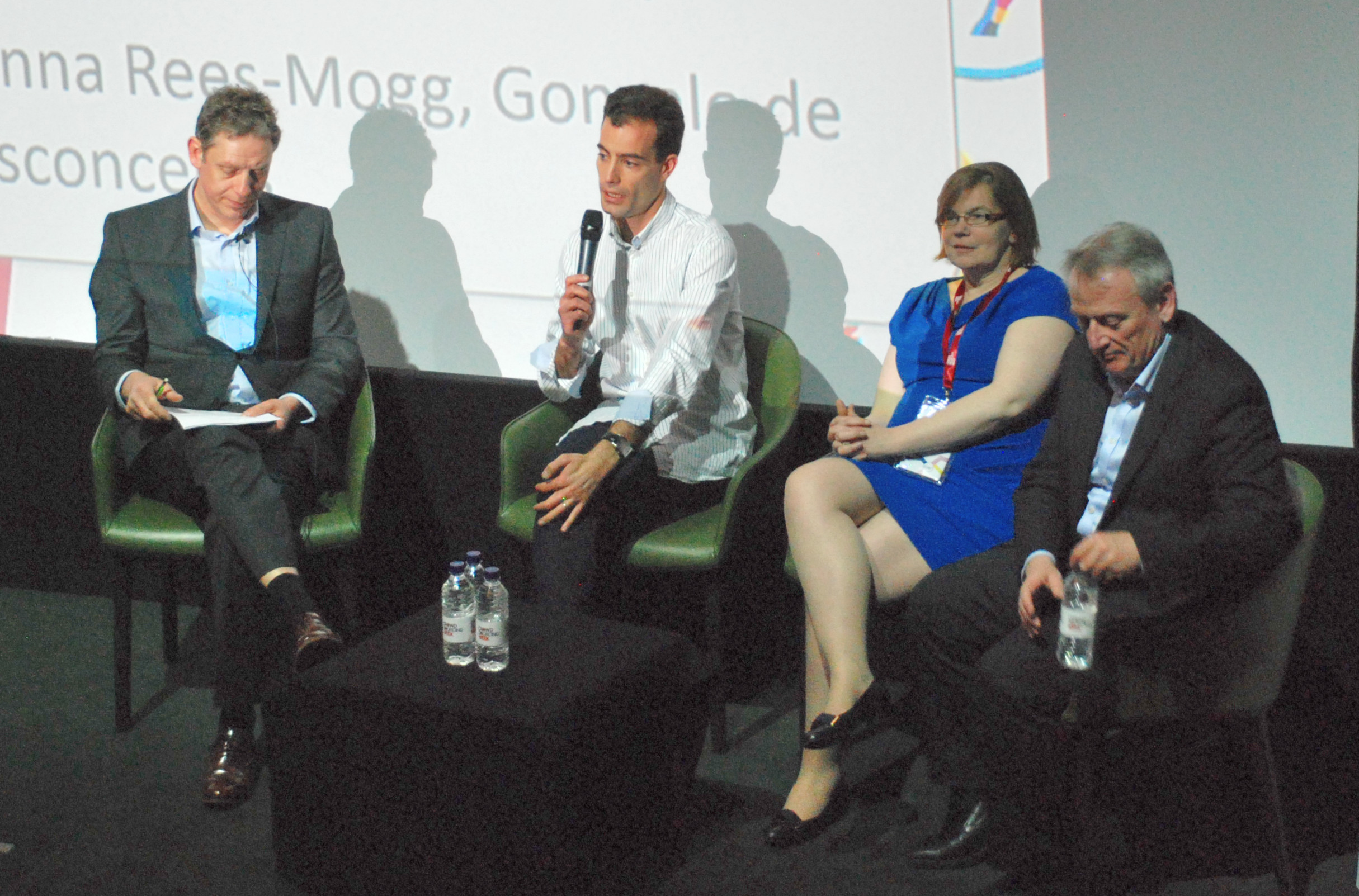
The demand from entrepreneurs for better crowdfunding information to increase their chances of success has led to a raft of companies collecting, analysing and providing data on the crowdfunding industry. As well as Emily Mackay of Crowdsurfer, Barry James of The Crowdfunding Centre and Modwenna Rees-Mogg of Crowdrating were also on stage during the day.
Crowdfunding platforms
Crowdsurfer estimates there are almost 1,800 crowdfunding platforms around the world. Between them they offer opportunities for backers to support businesses in a wide range of industry sectors, and for platforms such as Ethex to specifically provide investors with ethically sound opportunities. The site allows people to “invest in businesses that are changing the world for the better,” said Sarah Flood, and it is the top social investment platform in Europe with over £30m invested so far.
Equity crowdfunding platforms were represented by CEO Goncalo de Vasconcelos of SyndicateRoom. To him, the most important aspect is not the money that crowdfunding pulls in but how much is going to be paid out to investors. If the source of the money dries up because investors get disappointed or short-changed then it’s all over for everyone. His own platform reassures investors with a stringent selection of projects they host so that only two out of 77 projects funded on SyndicateRoom have so far ceased trading. The average failure rate among all new businesses is more like 90%.
 With a twist on donations crowdfunding for money, Fanuel Dewever’s Belgian platform Crowd Angels enables projects to directly ask for the goods, services and human resources they require. He identified the biggest reason for projects failing is the lack of a clear demonstrable need for what’s being asked for that will allow backers to feel they have made a contribution to something significant. Issues such as easing a short-term cash flow problem are certainly important to small business owners but it does not get backers queuing up to part with their money.
Who uses crowdfunding?
 The companies that use crowdfunding are also increasingly diverse. Through the launch of their app Patrum even the Vatican uses crowdfunding to raise money to restore its historic architecture and many of its art treasures, and we heard from Father Mark Haydu (above left) on how this 2,000 year old business approached and handles it.
 Christian Johan Smith of the California-based TrackR raised over $2m on Indiegogo in exchange for their tracking devices for people to trace and retrieve lost, stolen or simply misplaced items.
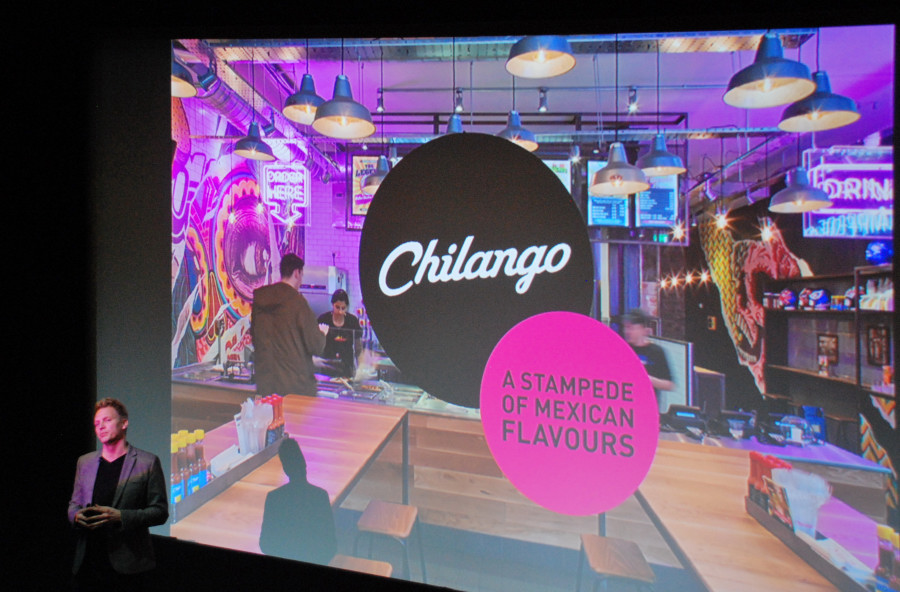 Eric Partaker of Mexican food restaurant chain Chilango has raised a total of £5.5m, first through a mini-bond that offered interest repayments of 8% p.a. and raised £2.1m and then through an equity round that raised £3.4m. But it wasn’t plain sailing. After the success of their first two outlets the third and fourth ones bombed – at one stage the company was seriously close to going under.
It isn’t easy
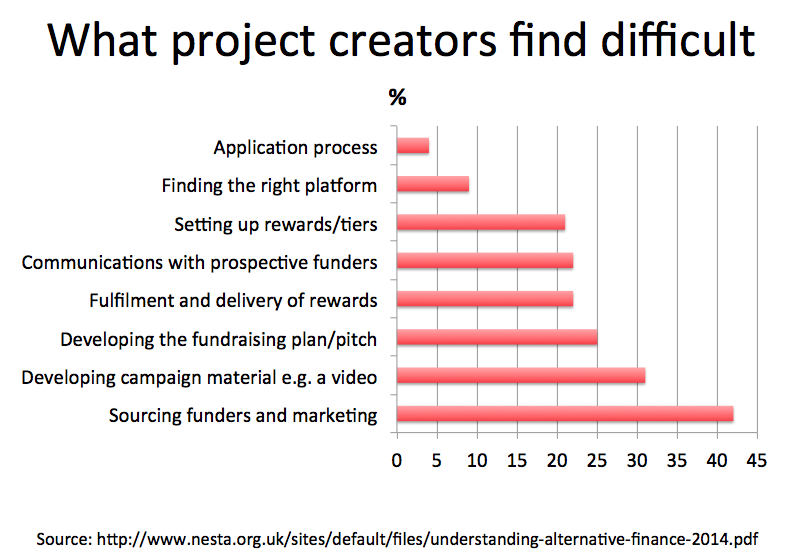
Crowdfunding may sound easy when large figures like these are bandied around, though everyone involved with the conference agreed that successful crowdfunding requires thorough preparation and extremely hard work. It isn’t charity, it certainly isn’t easy money, and about 3 in 4 projects fail to reach their target funding level.
If you want to improve your chances of success with the benefit of some professional marketing input, I am an independent crowdfunding adviser. Click here to e-mail me or here to see my website for Comanche Communications & Marketing.